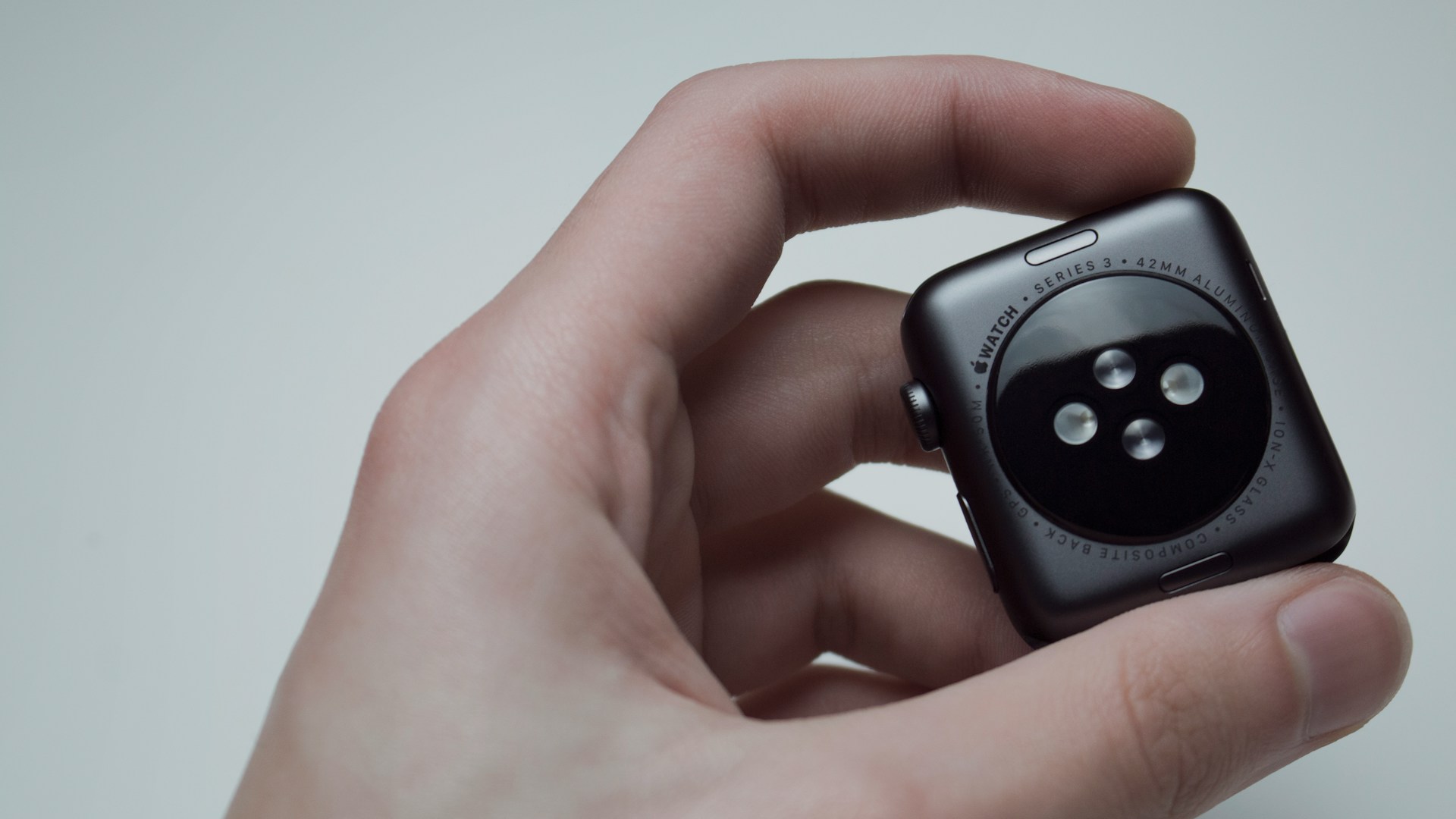
Wearable tech builds a bridge between learning and feeling good—helping schools boost reading skills and mental health all at once. Schools committed to mental wellness view wearable tech as a tool for understanding collective student needs. Aggregated data highlights stress trends in classrooms or activities. This insight guides schools toward interventions supporting the entire community.
The New Role of Wearable Tech in Education
Ever thought a smartwatch might do more than just tell the time or count your steps? Wearable tech in schools is no longer some wild future idea — it’s quietly creeping in, watching over kids’ mental vibes while doubling as their reading sidekick. Learning isn’t just about absorbing facts; it’s about being in the right headspace to do so. These gadgets offer teachers fresh clues about when students zone out or get overwhelmed.
Imagine a smartwatch nudging a teacher to call for a breather or some mindfulness. Cool, right? Plus, it’s not just mental health — wearables blend seamlessly into education technology within digital spaces like augmented reality, gamification and digital spaces. Picture history lessons turning into virtual treasure hunts, or smartwatches doling out badges for achievement, ramping up motivation.
But here’s a twist—while wearables gather loads of data, interpreting what it really means (like spotting stress or focus) isn’t a walk in the park. Classrooms are noisy, unpredictable places. So unwrapping those brainwaves and heartbeats into actual mental state cues demands some neat science—think electroencephalography (EEG), skin sensors, heart rate monitors, all jumbled into understandable signals. It’s a bit like translating an alien language on the fly.
Wearable Tech’s Role in School Mental Health
Wearable tech fits hand-in-hand with schools’ broader mental health goals. It helps catch rising stress or anxiety before they hijack learning. This tech connects to mental health treatment services creating a safety net. It’s a full-team effort—from teachers noticing early signs to counselors stepping in with support.
It’s like turning the often silent struggle into a shout out for help without saying a word. Schools hope this technology will make reading less scary and boost mental health, kind of like giving everyone a security blanket, but high-tech.
Wearable tech collects real-time signals to reveal mental health states during reading and classroom activities. Schools leverage this data for timely support that boosts students’ reading confidence and reduces stress. Integration with assistive reading tools and wellness resources improves personalized learning. Wearable tech supports school-wide mental health initiatives by highlighting emotional trends that need attention.

Ways Wearable Tech Links Reading Accessibility to School Mental Health Initiatives
Wearable tech fits naturally into larger school mental health programs focused on early intervention. By revealing patterns, these devices alert schools to rising anxiety or stress linked to reading challenges and academic demands.
Schools using wearable tech align their efforts with trusted recovery and wellness resources. For example, partnering with Recovery assistance helps connect students showing mental health needs to expert care. This collaboration strengthens a network addressing both educational and emotional needs holistically.
These devices pair well with other learning tools. Schools link wearables with apps offering personalized lessons or mindfulness breaks. Groups like The Summit Wellness Group provide support that blends tech insights into real mental health care. It’s like having a wellness coach in the classroom, powered by data and compassion.
How Wearable Tech Makes Reading and Mental Health Smoother
Wearable gadgets like smartwatches collect info—like how your heart beats faster when you’re stressed. Schools use this info to catch tricky moments before they spiral. Instead of waiting for a meltdown, teachers and counselors get early warnings. If stress climbs during reading circles, staff can jump in with calming tasks or chats. This setup helps students understand their feelings better, giving them tools to stay cool and tackle reading without meltdown fears.
Mental health and schoolwork go hand in hand—if you feel good inside, reading gets easier. Schools blending wearable tech with integrated PTSD and substance use disorder treatment for veterans show how personal care and tech team up. This new approach supports not just grades but the whole person.
Why Schools Love Wearable Tech for Mental Health Wins
Wearable tech doesn’t just track one kid; it monitors the whole classroom vibe. Imagine dozens of tiny mood detectives reporting back. If a wave of stress buzzes through the crowd, schools can tweak lessons or shuffle schedules—maybe making Monday less dreadful.
Instead of focusing on one anxious kid, this technology gives a whole-room emotional weather forecast. This tech is especially helpful for kids who face learning or emotional hurdles. Wearables tell teachers when to slow down or mix things up, helping kids hold onto their reading mojo and avoid frustration.
Sharing this data builds teamwork—parents, teachers, counselors all get a clearer picture. With support from groups like The Summit Wellness Group, schools turn data into action plans that make real differences in kids’ lives.

Smart Moves for Adding Wearable Tech in Schools
You can’t just hand out gadgets and hope for the best. Schools need smart plans to make wearable tech useful and respectful of privacy. Picking the right devices is step one. Then comes training teachers on how to understand data and respond well.
It’s not just gadgets; schools also use apps that blend reading help with mental wellness tools. Putting it all together, they create support webs catching struggles early and keeping kids confident. For some, extra help might be needed, where Recovery assistance programs team up with tech to offer deeper mental health support.
Wearable Tech Meets Every Learner’s Needs
Kids don’t all tune in the same way. Wearable tech quietly watches for tiny clues—a quick breath or skin reaction—that spill the beans on stress or focus shifts. Sensors act like mood detectives catching what words can’t say. When the class feels fuzzy or jittery, teachers get heads-up to switch gears just right.
Wearables track signals like heart rate changes, skin conductance, breathing rhythms, signaling when focus dips or stress spins up. It’s like a backstage pass to students’ feelings mid-lesson. Instead of textbook teaching, live feedback loops of heartbeats, skin changes, and tiny breaths tell the story of a student’s mental state.
Some schools use wearables not only to spot stress but to help kids calm down before meltdowns. It’s like a built-in assistant whispering, “Hey, time to switch gears!” This isn’t sci-fi; it’s happening.
. sprunki horror Endless Fun Awaits!

Thanks for posting, keeping adding more value