Ever found yourself knee-deep in renovation rubble, wondering where on earth all this rubbish is going to go? Or perhaps you’ve finally tackled that massive garden overhaul, only to realise you’ve got more green waste than your council bin could handle in a year? You’re definitely not alone in this predicament.
Choosing the right skip bin hire service can feel overwhelming when you’re faced with countless options, varying sizes, and a maze of regulations. The truth is, making the wrong choice can cost you more than just money—it can lead to project delays, safety hazards, and even hefty fines if you accidentally dispose of prohibited items. That’s why understanding your options before you book is key.
In this guide, we’ll walk you through everything you need to know about selecting the best bin hire for your waste management needs. From understanding the different types of waste bins to navigating skip bin hire guidelines and avoiding common hazards, you’ll finish reading with the confidence to make an informed decision. Whether you’re a homeowner tackling a weekend project or a tradesperson managing construction waste, this article has got you covered.
Understanding the Different Types of Waste Bins
Skip Bins vs. Wheelie Bins: What’s the Difference?
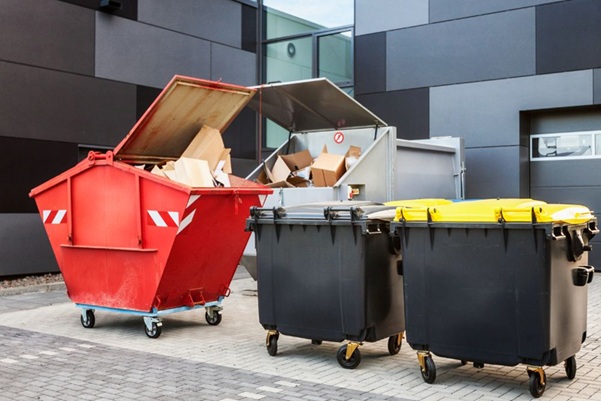
When it comes to waste disposal, not all bins are created equal. Your standard wheelie bin—the one council provides for weekly collection—is perfect for everyday household rubbish. However, it’s nowhere near adequate for larger projects like home renovations, landscaping overhauls, or office cleanouts.
Skip bins, on the other hand, are purpose-built for handling substantial volumes of waste. They’re delivered to your property, filled at your convenience, and then collected and disposed of properly by the hire company. Think of wheelie bins as your everyday solution and skip bins as your heavy-duty problem solver.
Common Skip Bin Sizes and Their Best Uses
Skip bins come in a range of sizes, typically measured in cubic metres. Here’s a quick breakdown:
– 2-3 cubic metres: Ideal for small cleanouts or single-room renovations
– 4-6 cubic metres: Perfect for medium-sized projects like bathroom or kitchen refurbishments
– 8-10 cubic metres: Suited for larger home renovations or significant garden clearances
– 12+ cubic metres: Best for major construction projects or commercial use
Choosing the right size is crucial. Go too small, and you’ll need a second bin. Go too large, and you’re paying for space you don’t need.
Specialised Bins for Specific Waste Types
Beyond size, you’ll also find bins designed for particular waste streams. Some companies offer dedicated bins for green waste, concrete, soil, or mixed waste. Using the correct bin type ensures proper recycling and disposal, plus it can often save you money since separated waste is cheaper to process.
What Types of Waste Can You Put in a Skip Bin?
General Household Waste
Most skip bins happily accept general household items like old furniture, clothing, appliances, and everyday rubbish. This makes them brilliant for spring cleans, moving house, or deceased estate clearances. Just keep in mind that some items may need to be separated for recycling.
Green Waste and Garden Debris
Tackling the backyard? Green waste bins are your best mate. They’re designed for grass clippings, branches, leaves, and garden trimmings. Many providers turn this waste into mulch or compost, making it an environmentally friendly choice.
Construction and Renovation Waste
Renovating? Construction waste like timber, plasterboard, tiles, and bricks can typically go in a skip bin. However, some materials may need separate disposal, so always check with your provider first. Understanding the different types of waste bins available helps you choose the most cost-effective option for your project.
Prohibited Items: What You Cannot Dispose Of
Here’s where things get serious. Most skip bin hire services won’t accept:
– Asbestos or asbestos-containing materials
– Chemicals, paints, and solvents
– Gas bottles and pressurised containers
– Batteries and electronic waste
– Tyres and liquid waste
Disposing of these items incorrectly can result in significant fines and environmental damage. When in doubt, ask your provider.
Skip Bin Hire Guidelines: What You Need to Know Before Booking
Council Permits and Placement Regulations
Planning to place your skip bin on the street or nature strip? You’ll likely need a council permit. Regulations vary between local councils, so it’s worth checking requirements in your area before booking. Most providers can help you navigate this process.
Placing the bin on your private property—like a driveway—typically doesn’t require a permit, making it the simpler option for many homeowners.
Weight Limits and Overfilling Rules
Every skip bin has a maximum weight limit, and exceeding it can result in extra charges or the provider refusing to collect. Heavy materials like soil, concrete, and bricks fill up quickly in terms of weight, even if the bin doesn’t look full. Following skip bin hire guidelines regarding weight limits helps you avoid unexpected costs.
Additionally, waste must not exceed the top of the bin. Overfilling creates safety hazards during transport and may breach road regulations.
Hire Duration: How Long Can You Keep a Skip Bin?
Standard hire periods typically range from 3 to 7 days, though many companies offer flexible arrangements. If your project runs longer than expected, most providers can extend your hire for an additional fee. Just communicate your needs upfront to avoid any surprises.
Skip Bin Hire Hazards: Staying Safe During Your Project
Common Safety Risks to Be Aware Of
Skip bin hire hazards are often overlooked, but they’re important to consider. Sharp objects, heavy items, and unstable loads can cause injuries if you’re not careful. Children may also be tempted to play around or in skip bins, creating additional risks.
Proper Loading Techniques to Prevent Accidents
Load heavier items first, placing them flat on the bottom. Break down large items where possible, and distribute weight evenly to prevent the bin from tipping. Avoid throwing items—instead, place them carefully to prevent injury and maximise space.
Hazardous Materials and Environmental Considerations
Never dispose of hazardous materials in a skip bin. Beyond the legal implications, improper disposal can contaminate soil and waterways, harming local ecosystems. If you’ve got hazardous waste, contact your local council for guidance on proper disposal methods.
How to Find the Best Bin Hire Service in Your Area
Key Factors to Compare Between Providers
When searching for the best bin hire, consider these factors:
– Range of bin sizes offered
– Accepted waste types
– Delivery and collection timeframes
– Environmental practices and recycling rates
– Customer service responsiveness
Questions to Ask Before You Book
Before committing, ask potential providers:
– What’s included in the quoted price?
– Are there any additional fees for delivery, collection, or disposal?
– What happens if I need to extend my hire period?
– Do you provide council permit assistance?
Reading Reviews and Checking Credentials
Online reviews offer valuable insights into a company’s reliability and service quality. Look for consistent positive feedback regarding punctuality, communication, and fair pricing. Also, verify that providers hold appropriate licences and insurance.
Local Options: Finding Services Like Chilli Bins Caboolture
Supporting local businesses often means better service and faster response times. Companies like Chilli Bins Caboolture understand local regulations and can provide tailored advice for your area. Plus, using local providers reduces transport distances, which is better for the environment.
How Much Does Skip Bin Hire Cost in Australia?
Factors That Affect Pricing
Skip bin hire costs vary based on several factors:
– Bin size (larger bins cost more)
– Waste type (hazardous or heavy materials attract higher fees)
– Hire duration
– Your location and delivery distance
– Permit requirements
Expect to pay anywhere from $150 for a small bin to $600 or more for larger sizes.
Hidden Fees to Watch Out For
Some providers advertise low base prices but add fees for delivery, collection, disposal, or exceeding weight limits. Always request a fully inclusive quote and read the fine print before booking.
Tips for Getting the Most Value From Your Skip Bin Hire
Maximise your investment by planning ahead. Sort waste before the bin arrives, breaking down bulky items to save space. Fill the bin evenly and avoid prohibited items. If sharing with neighbours on similar projects, consider splitting the cost for better value.
Making the Right Choice for Your Waste Management Needs
Choosing the perfect skip bin hire service doesn’t have to be complicated. By understanding the different types of waste bins, following skip bin hire guidelines, and being aware of potential hazards, you’re already well-equipped to make a smart decision.
Remember, the cheapest option isn’t always the best value. Consider factors like reliability, customer service, and environmental practices when comparing providers. Taking time to ask questions and read reviews can save you headaches down the track.
Whether you’re clearing out the garage, renovating the bathroom, or tackling a major construction project, the right skip bin service makes waste management simple and stress-free. Now you’ve got the knowledge—it’s time to get cracking on that project! sprunki horror Endless Fun Awaits!