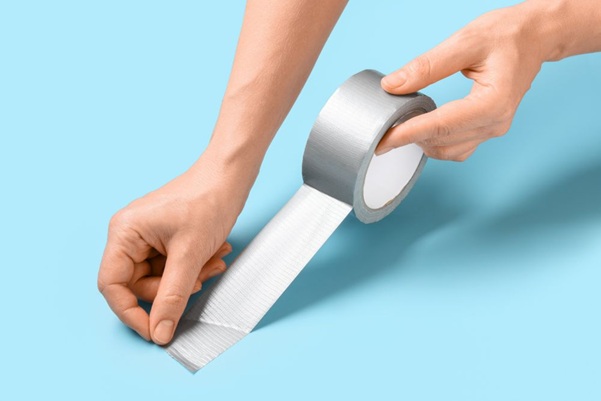
Ever found yourself scratching your head, wondering why your aluminium tape keeps peeling off? Or maybe you’ve spent hours applying it perfectly, only to discover it’s failed within weeks? You’re not alone. These frustrations are more common than you’d think, and they usually come down to a few easily avoidable mistakes.
Aluminium adhesive tape is a brilliant tool for sealing, insulating, and repairing all sorts of things around your home or workplace. But here’s the thing: it only works properly when you apply it correctly. Get it wrong, and you’ll end up wasting time, money, and probably your patience too.
In this guide, we’ll walk you through the most common blunders people make when working with aluminium tape. From surface preparation slip-ups to choosing the wrong product entirely, we’ll cover everything you need to know. By the end, you’ll have the knowledge to get professional-looking results every single time. Let’s get stuck into it.
What Is Aluminium Adhesive Tape and What Is It Used For?
Common Applications in Australian Homes and Industries
Aluminium adhesive tape is exactly what it sounds like a thin layer of aluminium foil backed with a strong adhesive. It’s incredibly versatile and pops up in all sorts of places. In Australian homes, you’ll commonly find it sealing HVAC ductwork, patching up hot water system insulation, and even wrapping pipes.
Industries love it too. From construction sites to manufacturing plants, this tape handles thermal insulation, vapour barriers, and heat reflection jobs brilliantly. It’s particularly popular in areas with extreme temperatures, something we Aussies know all about.
Why Aluminium Tape Outperforms Other Sealing Solutions
So why choose aluminium tape over standard duct tape or other adhesives? Simple it handles heat and moisture far better than most alternatives. The metal backing reflects radiant heat, making it perfect for applications near hot surfaces. Plus, it doesn’t dry out or become brittle like rubber-based tapes often do.
Does Aluminium Tape Actually Work? Understanding Its Capabilities
Heat Resistance and Thermal Properties
Absolutely, aluminium tape works when used correctly. Its heat resistance is genuinely impressive. Most quality aluminium tapes can handle temperatures well above what you’d encounter in typical household applications. The reflective surface bounces heat away, protecting whatever’s underneath.
This makes it ideal for sealing around ovens, furnaces, and heating ducts. The thermal conductivity also helps distribute heat evenly, preventing hot spots that could damage other materials.
Moisture and Weather Resistance
Aluminium tape also stands up well against moisture and varying weather conditions. The metal surface doesn’t absorb water, creating an effective barrier against humidity and light rain. For outdoor applications in Australia’s unpredictable climate, this resilience proves invaluable.
Surface Preparation Mistakes That Ruin Adhesion
Skipping the Cleaning Step
Here’s where most people go wrong straight away. They grab the tape, slap it on, and wonder why it peels off three days later. The surface needs to be clean properly clean. Any dirt, dust, or grime creates a barrier between the adhesive and the surface, weakening the bond dramatically.
Applying Tape to Wet or Damp Surfaces
This one’s a real deal-breaker. Moisture prevents the adhesive from gripping properly. Even if the surface looks dry, condensation can lurk invisibly. Always wipe down the area and give it time to dry completely before applying your tape.
Ignoring Dust, Grease, and Residue
Greasy surfaces are particularly problematic. Oil creates a slippery layer that adhesives simply can’t penetrate. Use isopropyl alcohol or a degreasing agent to clean thoroughly. Old adhesive residue from previous tape applications needs removing too it’s lumpy and prevents proper contact.
Is Aluminium Foil Tape Waterproof? Common Misconceptions
Understanding Water Resistance vs Waterproofing
Let’s clear this up: aluminium tape is water-resistant, not waterproof. There’s a significant difference. Water-resistant means it handles splashes and humidity well. Waterproof would mean it could be submerged without issues. Most aluminium tapes fall into the first category.
Where Aluminium Tape Fails in Wet Conditions
Constant water exposure eventually compromises the adhesive backing. The metal itself won’t corrode, but the glue will deteriorate. For applications involving standing water or constant saturation, you’ll need specialised waterproof tape instead. Using standard aluminium tape in these conditions is a recipe for failure.
Temperature and Application Environment Errors
Applying Tape in Extreme Cold or Heat
Temperature matters during application, not just during use. Applying tape when it’s freezing cold makes the adhesive stiff and less tacky. The tape won’t conform properly to surfaces. Similarly, extreme heat can make the adhesive too soft and runny, affecting its grip.
How Australian Climate Conditions Affect Performance
Australia’s climate throws unique challenges at us. Perth’s scorching summers, Melbourne’s unpredictable weather swings, and Queensland’s humidity all impact tape performance differently. Consider your local conditions when selecting products and timing your application.
What Temperature Can Aluminium Tape Withstand?
Maximum Heat Tolerance Explained
Quality aluminium tape typically handles temperatures between -30°C and 150°C. Some industrial-grade options push even higher up to 300°C for brief periods. Always check the manufacturer’s specifications before using tape near heat sources.
Matching Tape Specifications to Your Project
Don’t just grab any aluminium tape for high-heat applications. Match the product to your needs. Sealing a dryer vent requires different specifications than patching roof insulation. Reading the label takes seconds but saves headaches later.
Poor Application Technique Mistakes
Not Pressing Firmly Enough
Simply laying tape down isn’t enough. You need to press firmly along the entire length to activate the adhesive properly. Use a roller or your thumb to apply consistent pressure. This removes air pockets and ensures maximum surface contact.
Leaving Air Bubbles and Wrinkles
Air bubbles look messy and create weak points where the seal can fail. Wrinkles have the same effect. Apply tape slowly, smoothing as you go. If bubbles appear, peel back carefully and reapply that section.
Overlapping Incorrectly
When joining strips, overlap by at least 25mm. Less than this creates potential leak points. More importantly, ensure overlaps run in the direction of any water flow or air movement, which prevents lifting at the edges.
Choosing the Wrong Type of Aluminium Tape
HVAC Tape vs General Purpose Tape
HVAC-specific aluminium tape meets building codes and handles the temperature fluctuations in ductwork. General-purpose tape might look similar, but it lacks the same specifications. For heating and cooling systems, always choose HVAC-rated products.
Thickness and Backing Material Considerations
Thicker tapes offer more durability but less flexibility around corners. Thinner options conform better to irregular surfaces but may tear more easily. Consider where you’re applying it and choose accordingly.
Can You Use Aluminium Tape on Dryer Vents?
Safe Application Practices
Yes, aluminium tape is the recommended option for dryer vents not standard duct tape, despite the name. The heat from dryers can degrade regular adhesives, creating fire hazards. Aluminium tape handles these temperatures safely.
Common Dryer Vent Taping Errors
The biggest mistake is using too little tape or not sealing joints completely. Lint escapes through gaps, creating blockages and fire risks. Wrap joints thoroughly and inspect regularly for any lifting or deterioration.
Durability Mistakes: Expecting Too Much from Your Tape
How Long Does Aluminium Foil Tape Last?
Under ideal conditions, quality aluminium tape lasts several years. However, expecting it to last forever is unrealistic. UV exposure, extreme temperatures, and physical wear all shorten its lifespan. Plan for periodic inspections and replacements.
Factors That Shorten Tape Lifespan
Constant vibration, chemical exposure, and improper application all accelerate deterioration. Outdoor applications typically need replacing sooner than indoor ones. Understanding these factors helps set realistic expectations.
Storage and Handling Errors Before Application
Improper Storage Conditions
Store tape in cool, dry places away from direct sunlight. Heat and humidity in storage degrades the adhesive before you even use it. Keep rolls in their original packaging until needed.
Using Damaged or Expired Tape
Tape with dried-out adhesive, torn edges, or visible contamination won’t perform properly. If it’s been sitting in your shed for years, test a small piece first. Better to buy fresh tape than redo an entire job.
Getting the Best Results Every Time
So, there you have it the most common mistakes that trip people up when applying aluminium adhesive tape. From surface preparation blunders to storage slip-ups, awareness of these issues puts you ahead of the game. The good news? They’re all completely avoidable with a bit of care and attention.
The key takeaways are straightforward: clean your surfaces thoroughly, apply tape at reasonable temperatures, press firmly to eliminate air bubbles, and choose the right product for your specific application. These simple steps transform frustrating failures into lasting seals.
Next time you reach for that roll of aluminium tape, take an extra minute to prepare properly. Your future self will thank you when that seal is still holding strong months down the track. Got a project coming up? Put these tips into practice and see the difference good technique makes. Happy taping!