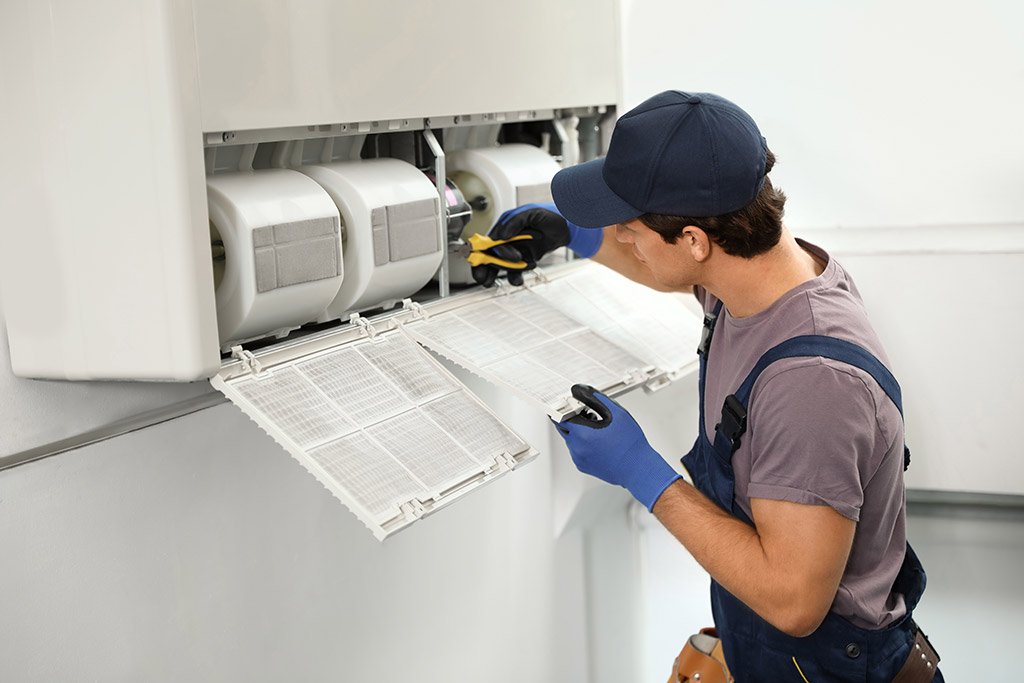
If you are living in a place where air conditioner is absolutely necessary, you must be aware of how to keep your appliance maintained. You cannot install or fix major problems as a novice, but you can take out the filter and clean it. Repairing Air Conditioners– You must have tools like drilling machine, screwdriver, lever, adjustable wrench, pilers, voltage testing device, ratchet set and other equipment to take up a few minor AC repairing projects. But if there’s a major fault, you must take professional help.
Your Premier Destination for Tech Reviews
Avoid These Mistakes While Repairing Air Conditioners
When the sweltering heat hits, a malfunctioning air conditioner can quickly turn your comfortable home into an unbearable sauna. The immediate impulse might be to roll up your sleeves and try to fix it yourself, especially for minor issues. While some basic troubleshooting is always encouraged, diving into complex AC repairs without proper knowledge can lead to bigger, more expensive problems, and even safety hazards.
At `latesttechnicalreviews.com`, we believe in empowering homeowners with the right information. However, when it comes to intricate appliances like air conditioners, knowing your limits is as crucial as knowing a quick fix. Attempting repairs beyond your skill level not only risks damaging the unit further but can also expose you to electrical shock, refrigerant leaks, or serious injury.
This comprehensive guide is designed to highlight the most common and critical mistakes homeowners make when attempting to repair their air conditioners. We’ll outline why these errors are problematic and, more importantly, when it’s absolutely essential to call a certified HVAC professional. Understanding these pitfalls will help you maintain your AC safely and effectively, ensuring your home stays cool without costly blunders.
Safety First: Non-Negotiables Before Any AC Inspection
Before you even think about touching your air conditioner, whether for a simple check or a potential repair, safety must be your absolute top priority. Ignoring these crucial steps can lead to serious injury or damage.
Mandatory Safety Protocols
| Safety Protocol | Why It’s Critical |
|---|---|
| Turn Off Power at the Breaker | Always, always, always cut power to your AC unit at the main electrical breaker box. Flipping the thermostat to “off” is *not* enough. The outdoor unit (condenser) and indoor unit (evaporator) often have separate power supplies. This prevents accidental electrocution. |
| Use Insulated Tools | If you must touch any internal components, use tools specifically designed with insulated handles. This provides an extra layer of protection against residual electrical charge. |
| Wear Proper PPE (Personal Protective Equipment) | At a minimum, wear heavy-duty work gloves and safety glasses. AC units have sharp fins and moving parts. Refrigerant can cause chemical burns or frostbite if it comes into contact with skin or eyes. |
| Allow Capacitors to Discharge | Capacitors in AC units store a significant electrical charge even after power is off. These can deliver a dangerous shock. If you’re removing the access panel, avoid touching the capacitors (they look like large cylinders) and wait at least 5-10 minutes for them to discharge, or ideally, use a tool to safely discharge them if you know how. |
Remember: If you’re unsure about any safety procedure, STOP. It’s always better to call a professional than to risk injury or further damage.
Top Mistakes Homeowners Make During AC Repair
Trying to save money on repairs is understandable, but some DIY attempts can backfire dramatically. Here are common pitfalls to avoid:
Mistake 1: Ignoring the Filter (The Simplest Fix Overlooked)
The Error: Many homeowners jump to complex conclusions when the AC isn’t cooling, completely overlooking the simplest and most common culprit: a dirty air filter.
Why it’s Bad: A clogged filter restricts airflow, forcing your AC to work harder, reducing efficiency, causing coil freeze-ups, and potentially leading to premature system failure. It’s the equivalent of trying to breathe through a pillow.
How to Avoid: Check your air filter monthly, especially during peak cooling seasons. Replace or clean it every 1-3 months, depending on usage, pet ownership, and air quality. This is the #1 easiest AC maintenance task and can solve many cooling problems.
Mistake 2: Adding Refrigerant Yourself
The Error: Believing that low cooling means the AC just needs more “freon” (refrigerant) and attempting to add it from a can.
Why it’s Bad: AC units do not “consume” refrigerant like a car consumes fuel. If the refrigerant is low, it means there’s a leak somewhere in the sealed system. Adding more without finding and fixing the leak is wasteful, temporary, and illegal if you’re not certified (due to environmental regulations). Overcharging the system can also cause significant damage.
How to Avoid: If you suspect a refrigerant leak (e.g., unit blowing warm air, hissing noises, ice on coils), call a professional. They have the tools to detect leaks, repair them, and properly recharge the system to the manufacturer’s exact specifications.
Mistake 3: Cleaning Coils Improperly or Not at All
The Error: Neglecting to clean the outdoor condenser coils or indoor evaporator coils, or attempting to clean them with high-pressure washers or harsh chemicals.
Why it’s Bad: Dirty coils severely impede heat exchange, drastically reducing AC efficiency and cooling capacity. Using too much pressure can bend delicate fins, further reducing airflow. Harsh chemicals can damage the coils or surrounding components.
How to Avoid: Gently clean outdoor coils with a soft brush and garden hose (ensure power is off!). For indoor evaporator coils, a professional cleaning is recommended, as they require specialized tools and knowledge to access without damaging sensitive components.
Mistake 4: Not Checking the Drain Line
The Error: Overlooking a clogged condensate drain line when you see water pooling around the indoor unit or notice high humidity.
Why it’s Bad: The drain line removes condensation. If it’s clogged (often by algae), water backs up, leading to leaks, water damage, mold growth, and potentially shutting down the unit’s safety float switch.
How to Avoid: Periodically pour a cup of distilled vinegar (or a diluted bleach solution, check manufacturer recommendations) down the condensate drain line access port (usually a PVC pipe near the indoor unit) to prevent algae buildup. If it’s severely clogged, a wet/dry vacuum can sometimes clear it, but if persistent, call a pro.
Mistake 5: DIY Electrical Repairs
The Error: Attempting to replace fuses, contactors, or other electrical components without understanding wiring diagrams or electrical safety.
Why it’s Bad: This is extremely dangerous. Incorrect wiring can cause electrical fires, severe shocks, or irreversible damage to expensive components like the compressor. AC units run on high voltage.
How to Avoid: Unless you are a licensed electrician or HVAC technician, never tamper with the electrical components of your AC beyond flipping the breaker. Leave this to the experts.
Mistake 6: Ignoring Strange Noises or Smells
The Error: Dismissing unusual sounds (grinding, hissing, banging) or odors (musty, burning) coming from your AC unit.
Why it’s Bad: These are often early warning signs of serious underlying problems, such as failing motors, refrigerant leaks, or electrical issues. Ignoring them can lead to a complete system breakdown and more costly repairs.
How to Avoid: Investigate unusual noises and smells immediately. If you can’t identify an obvious, simple cause (like a loose panel or a dirty filter causing a musty smell), shut off the unit and call a professional for diagnosis.
When to Call a Professional: Knowing Your Limits
While basic maintenance is within a homeowner’s grasp, many AC issues require the expertise, specialized tools, and certifications of a qualified HVAC technician.
Situations Demanding Expert Intervention
| Problem Type | Why You Need a Pro |
|---|---|
| Refrigerant Leaks & Recharging | Handling refrigerants requires EPA certification. Professionals have leak detection equipment, can safely recover and dispose of old refrigerant, repair the leak, and charge the system to precise levels. |
| Electrical Component Failure | Capacitors, contactors, wiring issues, and thermostat malfunctions (beyond battery replacement) involve high voltage and complex diagnostics best left to trained technicians. |
| Compressor Issues | The compressor is the heart of your AC. Issues like loud noises, failure to start, or short cycling indicate a serious problem that almost always requires professional repair or replacement. |
| Frozen Evaporator Coils (Persistent) | While a dirty filter can cause this, persistent freezing often points to low refrigerant, airflow issues, or a faulty blower motor – all requiring professional diagnosis. |
| Lack of Cooling Despite Airflow | If air is blowing but not cold, it could be a refrigerant issue, compressor problem, or a sensor malfunction. These are not DIY fixes. |
| Unusual Noises or Odors Persist | After checking basic cleanliness, if strange sounds (grinding, clanking, hissing) or smells (burning, moldy, chemical) continue, a professional can pinpoint the exact cause and safely rectify it. |
The Power of Preventative Maintenance
The best way to avoid costly AC repair mistakes and extend the life of your unit is through regular, proactive maintenance.
Annual AC Tune-Ups: A Smart Investment
Scheduling a professional AC tune-up annually (ideally in spring before peak cooling season) is not an expense; it’s an investment that pays for itself.
| Benefit | How it Helps |
|---|---|
| Identifies Minor Issues Early | Technicians can spot and fix small problems (like low refrigerant before it becomes a major leak, or worn electrical components) before they escalate into expensive breakdowns. |
| Maintains Efficiency | Regular cleaning of coils, checking refrigerant levels, and calibrating components ensure your AC runs at peak efficiency, keeping energy bills lower. |
| Extends Lifespan | A well-maintained unit experiences less wear and tear, significantly extending its operational life. |
| Ensures Safety | Professionals check electrical connections and overall system integrity, reducing the risk of fire or other hazards. |
Frequently Asked Questions About AC Repair Mistakes
| Question | Answer |
|---|---|
| Can I use a garden hose to clean my outdoor AC unit (condenser)? | Yes, you can gently rinse the outdoor condenser coils with a garden hose, but **only after turning off the power to the unit at the circuit breaker**. Avoid using high-pressure washers, which can bend the delicate fins and impede airflow. For deep cleaning, especially for the indoor evaporator coils, a professional is recommended. |
| How often should I change my AC filter? | As a general rule, check your AC filter monthly and plan to replace or clean it every **1 to 3 months**. If you have pets, allergies, or live in a dusty environment, you might need to change it more frequently. A clean filter is crucial for efficiency and air quality. |
| My AC unit is blowing warm air. Is it definitely a refrigerant issue? | Not necessarily. While low refrigerant is a common cause of warm air, it could also be due to a dirty air filter, clogged coils, a malfunctioning fan motor, a faulty compressor, or issues with your thermostat. It’s best to perform basic checks (filter, power) and then call a professional for proper diagnosis if the problem persists. |
| What’s the strange smell coming from my AC? | Different smells indicate different problems:
|
| How often should I get my AC professionally serviced? | It is highly recommended to have your AC unit professionally serviced at least once a year, ideally in the spring before the cooling season begins. This annual tune-up ensures the system runs efficiently, prevents minor issues from becoming major breakdowns, extends its lifespan, and maintains your warranty. |
Cool Heads Prevail: Smart Choices for AC Care
While the desire to save on repair costs is strong, attempting complex AC repairs without the necessary expertise and safety precautions is a gamble that rarely pays off. As we’ve seen, common mistakes range from overlooking simple maintenance tasks like changing a filter to dangerous electrical tampering or illegal refrigerant handling. Each misstep can lead to escalating costs, system damage, or even personal injury.
The key to a long-lasting, efficient air conditioner lies in a balanced approach: embracing simple, regular DIY maintenance tasks (like filter changes and gentle coil cleaning) and knowing precisely when to defer to the professionals. A certified HVAC technician possesses the specialized knowledge, tools, and experience to safely diagnose and repair intricate issues, ensuring your system operates optimally and safely.
Prioritize annual professional tune-ups. This proactive measure is your best defense against unexpected breakdowns and the most effective way to maintain your AC’s efficiency, extend its life, and keep your home comfortably cool season after season. Don’t let a DIY ambition turn into a costly repair nightmare.
Keep Your Cool!
For more expert advice on home appliance maintenance, energy efficiency, and smart living, visit `latesttechnicalreviews.com`.
Subscribe to our newsletter for exclusive reviews, cutting-edge insights, and expert tips delivered straight to your inbox. Your smarter, more comfortable home journey starts and continues with `latesttechnicalreviews.com`.
If you are looking for service providers for AC repairing NJ and NYC there are specialized places where you can get the best professionals in budget prices.
Several homeowners make mistakes while repairing their air conditioners, as they think they can save a lot of money.
Filters are not timely inspected
The air conditioning system gathers the air from outside, conditions or cools it, and circulates in the room. But the filters can attract debries, dust and allergens from the air, and may hamper the appliance’s performance too. As a homeowner, you need to inspect the filters frequently and if required, clean or replace them.
The air conditioners nowadays have disposable filters that require changing once in three months.
Keeping the air condtioner on unnecessirily
Do not keep the air conditioner switched on for the whole day unnecesserily, as it not only wastes energy but damages the motor. Make sure to turn it off when not used.
If you are staying near the New York Metropoletian area, search for the professionals who can undertake projects in AC repairing around NJ and NYC area only. You can find several service providers around
Ignoring the weird noises the appliance makes
The Air Conditioner can make weird noises if not serviced in proper time. Do not ignore any minor sound, it can be due to a major fault damaging the appliance.
Not cleaning the air outlets in proper time
The airways can store a plenty of debris and dust if not cleaned for 6 months, so when the appliance is turned on the air blows out those debris and dust, making your home untidy and causing severe lung infections.
Missing scheduled maintainance dates
If you are using your appliance quite frequently, it is subject to wear and tear. So routine check-ups and maintainance is a must. You can hire a professional to check the HVAC, filter, outlets, air vents etc.
Not replacing a decade old appliance
Even after scheduling maintainance services and taking care of the appliance, you cannot expect it to function for more than 10 years. After 10 years, it develops several other problems and you need to call a professional every now and then.
Turning thermostat temperature low
The amount of air circulated by the system remains the same even if the thermostat temperature is set to low. If you lower your thermostat temperature, you are forcing your appliance to work harder so that to provide you a comfortable room temperature.
Turning the appliance on with windows open
This is one of the worst mistakes homeowners do without thinking much about the consequences. They forget closing windows while switching the air conditioner on. Apart from affecting the cooling efficiency, it puts load on the appliance.
Trying to fix major appliance problems | Air Conditioners
When you purchase an air conditioner, it is evident that you need to invest a recurring amount every 6 months or once in every year for maintenance. You may try to save the amount by taking up major AC fixing problems, but may end up damaging the system more. Make sure to call a professional for any major problems as they know your appliance better than you.
Looking for professionals who can take up jobs like AC repairing? Well, NJ and NYC have some reputable service providers with decade’s experience in undertaking similar projects.
Read also – sprunki horror Endless Fun Awaits!
- What-should-you-know-before-preparing-pte-exam
- How-to-take-care-of-box-braids-for-guys
- Shape-your-eyebrows-by-microblading
- rf-filters-market-sales-supply-and-consumption
- Discover-the-best-air-purification-system
- Dos-and-donts-when-hiring-a-photographer-for-your-event
- Dry-skin-dermatologists-treatment-tips
- Best-shampoo-for-oily-scalp
- Important-reasons-for-ac-repair
- Book-outstation-cabs-local-one-way-airport-taxi-service