These aren’t just hypothetical scenarios for many Australians. Across the country, countless homes and properties rely on submersible pumps to deliver clean, consistent water day after day. Yet many people don’t give much thought to these hardworking devices until something goes wrong. The truth is, the quality of your submersible pump directly impacts everything from your morning shower to your livestock’s health and your garden’s survival.
What Are Submersible Pumps and How Do They Work?
Understanding Submersible Pump Technology
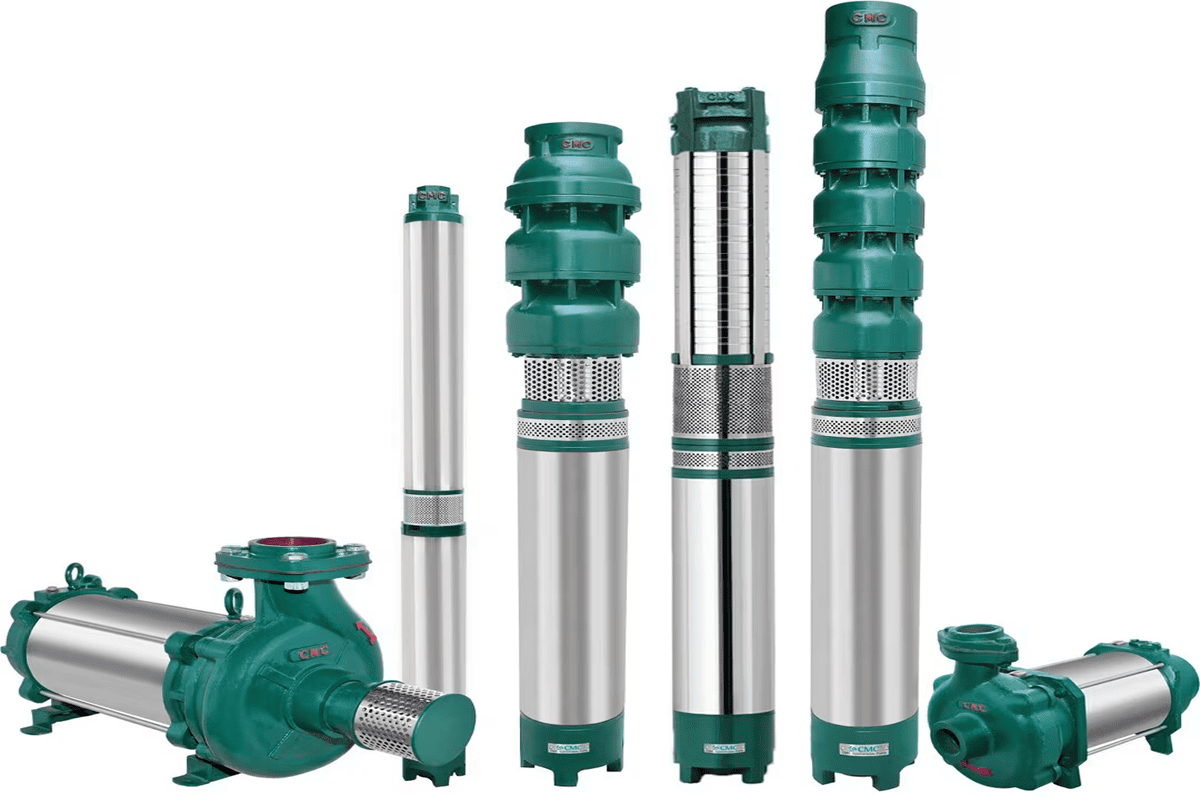
Submersible pumps are exactly what their name suggests pumps designed to operate while completely submerged in water. Unlike surface pumps that sit above ground, these units work directly inside your bore, well, or tank. This design offers several advantages, including quieter operation and protection from the elements.
The basic principle is straightforward. The pump motor drives an impeller that pushes water upward through pipes to the surface. Because the pump sits below the water level, it doesn’t need to “pull” water up it pushes it instead. This makes submersible pumps far more efficient, especially for deep bores common throughout Australia.
Key Components That Make Submersible Pumps Effective
A quality submersible pumps consists of several crucial components. The motor, typically sealed and filled with oil or water for cooling, provides the power. The impeller often made from stainless steel in better models creates the pressure needed to move water. Additionally, you’ll find check valves that prevent backflow, cables for power supply, and a pump housing that protects internal components.
Each of these parts must work together flawlessly. When manufacturers cut corners on any component, the entire system’s reliability suffers. That’s why the materials and engineering behind your pump matter so much.
Why Do Submersible Pumps Fail Prematurely?
Common Causes of Pump Breakdown
Pump failures rarely happen without reason. Sand and sediment are among the biggest culprits, particularly in Australian bores where gritty water can wear down impellers and seals. Electrical issues, including voltage fluctuations and lightning strikes, also cause significant damage to pump motors.
Running a pump dry even briefly can destroy it within minutes. The water surrounding the motor provides essential cooling, so without it, temperatures spike rapidly. Corrosive water chemistry, incorrect sizing, and poor installation practices round out the list of common failure causes.
The Hidden Costs of Choosing Cheap Pumps
That bargain pump might seem appealing initially, but the real costs often emerge later. Cheap pumps typically use inferior materials that corrode faster and wear out sooner. Their motors run less efficiently, increasing your electricity bills month after month.
When a budget pump fails, you’re not just paying for a replacement unit. You’ll face extraction costs (which can run into thousands), potential bore damage, and the inconvenience of being without water. For many rural properties, this means emergency water deliveries or stressed livestock. The “savings” from a cheap pump often become the most expensive choice you could make.
What Are the Signs That a Submersible Pumps Needs Replacing?
Warning Signs You Shouldn’t Ignore
Your pump often gives warning signals before it fails completely. Reduced water pressure or flow rate is typically the first indicator. If your shower has lost its punch or your irrigation system isn’t covering the same area, your pump may be struggling.
Strange noises clicking, grinding, or humming sounds suggest mechanical problems. Higher electricity bills without increased usage point to a motor working harder than it should. Cloudy or sandy water indicates worn components allowing sediment through. Air spurting from taps suggests the pump isn’t maintaining proper prime.
When Repair Isn’t Worth It Anymore
Sometimes repair makes sense, but other times replacement is the smarter choice. If your pump is over 10 years old and experiencing multiple issues, repairs often provide only temporary fixes. Similarly, when repair costs exceed 50% of a new pump’s price, replacement usually offers better value.
Consider your pump’s history too. A unit that’s needed several repairs already will likely continue causing problems. Plus, newer pumps offer improved efficiency, meaning ongoing energy savings that help offset the purchase price.
The Real Difference Between High-Quality and Low-Quality Submersible Pumps
Materials and Build Quality
Premium pumps use stainless steel impellers and shafts rather than cheaper plastic or cast iron alternatives. The motor windings feature better insulation, and seals are made from materials designed to resist Australian bore water conditions. These differences might be invisible, but they dramatically affect how long your pump lasts.
Bearings, often overlooked, make a massive difference too. Quality ceramic or tungsten carbide bearings outlast standard options many times over. The pump housing construction thickness, welding quality, and corrosion protection all contribute to longevity.
Energy Efficiency and Long-Term Savings
High-quality pumps typically feature more efficient motors that deliver more water per kilowatt of electricity. Over a pump’s lifetime, these efficiency gains add up to substantial savings. Many quality pumps now carry energy ratings, making comparisons easier.
Variable speed drives, increasingly common in premium pumps, adjust motor speed to match demand. Rather than running flat out constantly, these intelligent systems reduce energy consumption significantly while extending pump life.
Performance Under Australian Conditions
Australia presents unique challenges for submersible pumps. Our bore water often contains abrasive sand, dissolved minerals, and varying pH levels. Summer temperatures push equipment hard, while remote locations make service calls expensive and inconvenient.
Quality manufacturers design specifically for these conditions. They understand that a pump working fine in European conditions might fail quickly in outback Australia. Look for pumps tested and rated for Australian water chemistry and temperature ranges.
How Long Should a Submersible Pumps Last?
Lifespan Expectations for Quality Pumps
A well-chosen, properly installed quality submersible pumps should deliver 15-25 years of reliable service. Some premium units last even longer, particularly when water conditions are favourable and maintenance is consistent.
Budget pumps, by contrast, often fail within 3-7 years. When you consider the hassle and expense of replacement, investing more upfront almost always proves worthwhile.
Factors That Extend or Shorten Pump Life
Water quality affects lifespan dramatically. Clean, sediment-free water with neutral pH extends pump life, while sandy or acidic water accelerates wear. Proper sizing matters too an undersized pump running constantly wears out faster than a correctly sized unit operating within its design parameters.
Installation quality makes a surprising difference. A properly installed pump with correct electrical protection and appropriate pipe sizing will outperform a carelessly installed identical unit. Regular maintenance checks also catch small problems before they become major failures.
Which Submersible Pump Is Best for Bore Water in Australia?
Matching Pump Specifications to Bore Depth
Bore depth directly determines the pump specifications you need. Deeper bores require pumps with higher head ratings the measure of how high a pump can push water. A pump rated for 50 metres won’t work effectively in a 100-metre bore.
Flow rate requirements depend on your usage. A small household might need 20-40 litres per minute, while farms with irrigation demands could require 100+ litres per minute. Match both head and flow specifications to your specific situation.
Considerations for Rural and Regional Properties
Rural properties face additional challenges. Distance from service technicians makes reliability even more important breakdowns might leave you without water for days. Dust, heat, and power fluctuations common in regional areas all stress equipment.
Consider backup power options too. Quality pumps work reliably with generators or solar systems, while cheaper units may struggle with imperfect power supplies. For remote locations, the most reliable pump isn’t just convenient it’s essential.
What Maintenance Do Submersible Pumps Require?
Essential Maintenance Practices
Submersible pumps need less maintenance than surface pumps, but they’re not maintenance-free. Check pressure and flow rates regularly to spot declining performance early. Monitor electricity consumption for unexplained increases. Inspect visible components like electrical connections and pressure tanks.
Keep records of your pump’s performance over time. This baseline helps identify gradual changes that might otherwise go unnoticed until problems become serious.
Professional Servicing vs DIY Checks
While basic monitoring is straightforward, professional inspections every few years are worthwhile. Technicians can test motor insulation, check for bearing wear, and assess components you can’t easily access.
Never attempt to extract or repair a submersible pumps yourself unless you have proper equipment and training. Bore pumps are heavy, and incorrect handling can damage both the pump and your bore casing.
Investing in Quality: The Smart Choice for Long-Term Reliability
Choosing a high-quality submersible pumps isn’t about spending more money it’s about spending money wisely. When you calculate total ownership costs including purchase price, installation, energy consumption, maintenance, and likely replacement timeline, quality pumps consistently deliver better value.
Consider your water supply’s importance to your daily life. For most Australian properties, reliable water isn’t a luxury it’s essential. Skimping on your pump means gambling with something too important to risk.
Quality pumps also offer peace of mind. Knowing your water supply depends on reliable, well-engineered equipment lets you focus on other priorities rather than worrying about what might fail next.
Protecting Your Water Supply Starts with the Right Pump
Throughout this guide, we’ve explored why submersible pumps quality matters so much. From understanding how these devices work to recognising warning signs of failure, you’re now better equipped to make informed decisions about your water supply infrastructure.
The key takeaway is simple: investing in a quality submersible pumps saves money, hassle, and stress over time. While budget options might seem attractive initially, their higher failure rates, shorter lifespans, and greater running costs make them false economies. For Australian conditions especially, pumps engineered for durability and efficiency prove their worth many times over.
So, before your next pump purchase or replacement, take time to research your options carefully. Consider your specific requirements, water conditions, and long-term needs. Talk to reputable suppliers who understand Australian conditions. Your water supply is too important for shortcuts give it the quality equipment it deserves, and it will serve you reliably for years to come. sprunki horror Endless Fun Awaits!