Consuming alcohol can be not only harmful for your kidneys, but it also has several other effects on various parts of your body. Teeth are one of them that can affect your teeth, or you can say it can cause various dental problems like tooth decay, cavities or discolouring of your teeth.
While people suffering from tooth pain try to drink alcohol with the myth in their mind that it can help them reduce the pain or provide some relief from such discomfort. So, right here we will discuss about the effects of alcohol on teeth with some preventive tips to keep your teeth healthy.
Also Read: What Foods That Makes Your Teeth and Gums Healthy and Strong
Does Alcohol Reduce Tooth Pain?
As per the research and studies, there is no report that alcohol can cure tooth pain. However, due to its acetic nature, it may provide momentary numbness or a slight antiseptic effect, but it cannot cure the dental pain caused by infection or tooth decay.
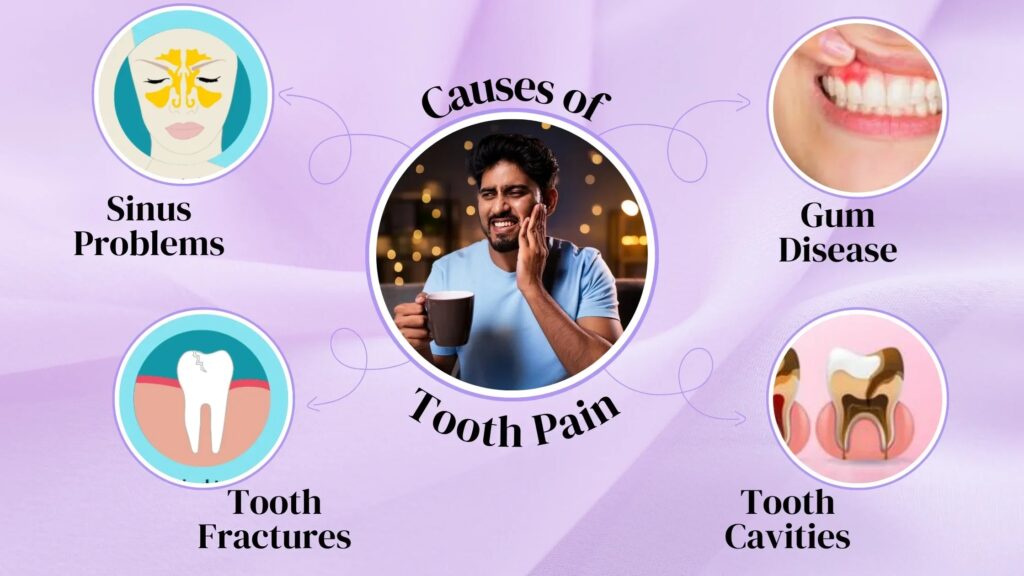
However, if you have tooth pain due to infection, you should completely avoid alcohol consumption, as it can make the pain more severe by irritating the gums or drying out the oral tissues. And in the worst conditions, it can damage the tooth enamel, nerves or cause the tooth decay.
Does Alcohol Cause Tooth Decay?
Yes, Alcoholcontains high sugar content that can erode enamel, significantly damage teeth and attract the bacteria causing cavities or decay. When you consume alcohol, it reduces saliva and dries your mouth, which leads to plaque buildup and tooth decay, also causing gum disease.
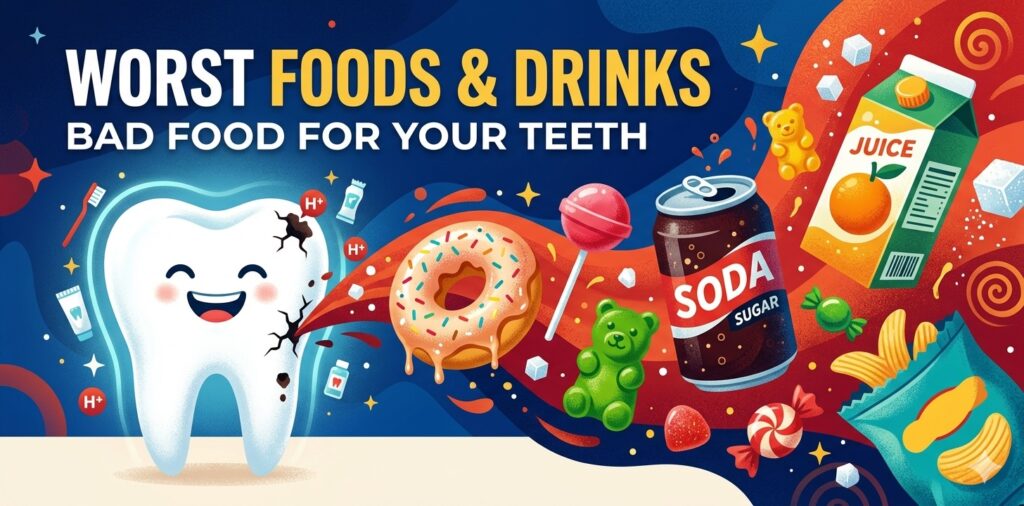
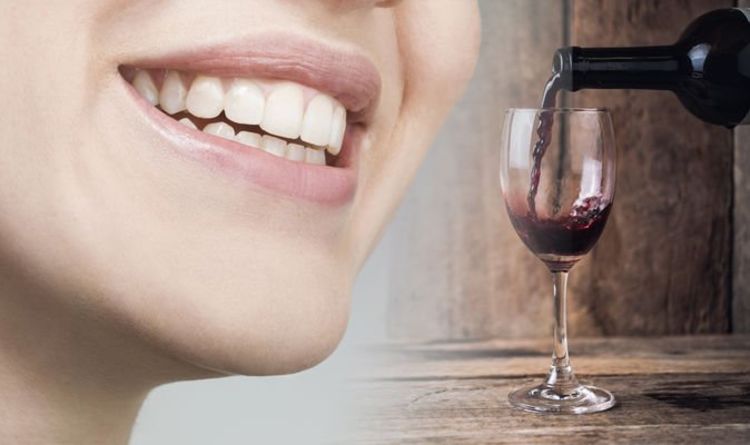
The dark-colored drinks like red wine have a long-lasting effect of discolouring your teeth. Whereas alcoholic drinks like beer and cocktails contain acidic ingredients that make your tooth enamel weak. While the sugar in such drinks attracts the bacteria that eat sugar and produce acids, the acids cause tooth decay.
How Does Alcohol Cause Tooth Decay?
When you consume alcohol, the first effect is that it reduces the flow of saliva in your mouth, causing dryness in the mouth. Apart from this, Alcohol contains sugar content that attracts and feeds the bacteria, which eat the sugar and produce acid that erodes the tooth enamel, causing tooth decay.
The combination of sugar and low salivary production creates an ideal environment for the bacteria to multiply, which leads to plaque build-up and cavity formation. And consumption of Alcohol also weakens the immune system, making it difficult for your body to fight infections, including gum disease.
Alcohol Effects on Teeth and Gums
The consumption of Alcohol has significant effects on teeth and gums by causing dehydration and promoting enamel erosion. From tooth decay to cavities or increasing the risk of gum disease due to weakened immunity, alcohol can have multiple effects on your mouth.
Dryness in Mouth: Alcohol reduces the production of saliva in your mouth, which helps to wash away the bacteria and neutralise the acid that is harmful to the teeth.
Staining of Teeth: Alcohol in deep colours like red wine, cocktails and beer can stain your teeth with a long-lasting effect of discolouration on the entire tooth structure.
Tooth Decay & Cavities: Alcohol with high sugar content attracts bacteria that produce acid by consuming the sugar, leading to cavities and tooth decay.
Erosion of Enamel: The tooth decay and cavities due to Alcohol consumption further damage the protective layer of teeth called enamel. Tooth enamel is the protective layer on teeth, which can be damaged due to long-lasting cavities or tooth decay.
Teeth Sensitivity: And when tooth enamel is damaged, you will not only face the severe pain, but you will also face other dental problems like sensitivity. And further, when you do not control the same, not only teeth, but you will also start the gum-related problems.
Inflammation & Bleeding in Gums: Alcohol also affects the gum tissues, which can later become major problems like swelling and bleeding if not treated in time.
Affects the Immunity: Alcohol makes the immune system respond more weakly, or you can say, an inability to fight off bacterial infections in the mouth that leads to gum recession and bone loss.
Prevention Tips
To avoid such effects or minimise the impact of Alcohol on your teeth, you need to follow several preventive measures. Below you will find a few preventive measures tips to minimise the impact of alcohol on your teeth.
Lower Consumption: The best way to avoid the effects of alcohol on your teeth is to reduce the consumption of such drinks that have side effects on your health.
Keep Yourself Hydrated: However, while consuming alcohol, also keep drinking water between every sip to maintain hydration and saliva flow in your mouth.
Maintain Oral Hygiene: Another way to minimise the impact of alcohol on your teeth is to keep your mouth clean, rinsing with water or using the medicated mouthwash. And always brush twice daily with fluoride-based toothpaste to prevent your teeth from bacteria and protect your tooth enamel.
Visit the Nearest Dentist: If due to regular or excessive drinking, your teeth become pale or dark brown, discolouring the original colour of your teeth. You can visit your nearest dentist for Teeth Whitening Services in Greater Noida to get your teeth professionally cleaned.
Conclusion
Alcohol has several side effects on your entire health, including your teeth. The sugar in Alcohol attracts bacteria that produce the acid, causing tooth decay and cavities. Once your tooth enamel is damaged, you need to go through a critical dental procedure like root canal treatment to restore your teeth.
However, if you reduce the intake of such drinks and keep your mouth hydrated to maintain the salivary production in your mouth, you can minimise the side effects of alcohol on your teeth. And if you are staying in Noida, you can visit your nearest best dentist in Greater Noida to get dental treatment.
sprunki horror Endless Fun Awaits!