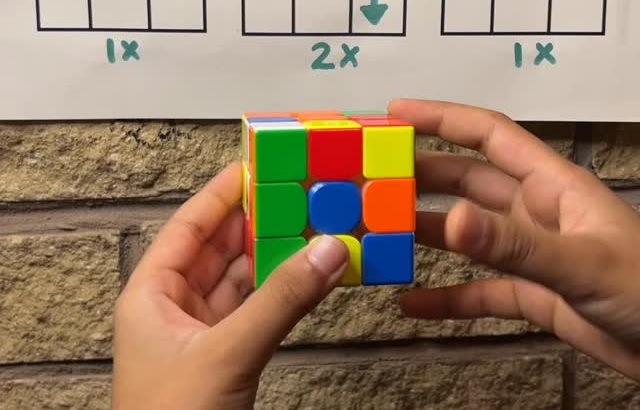
When Ernő Rubik introduced the Rubik’s Cube in 1974, few could have predicted that it would become one of the most recognizable puzzles in history. What began as a teaching tool for understanding three-dimensional movement has evolved into an entire category of puzzles known as twisty puzzles, inspiring millions of enthusiasts worldwide.
Today, twisty puzzles range from classic cubes and shape mods to highly engineered speedcubes designed for competitive solving. Their continued popularity reflects a unique combination of logic, creativity, and mechanical innovation.
What Are Twisty Puzzles?
A twisty puzzle is any mechanical puzzle that can be scrambled through rotations of its parts and restored to a solved state through a sequence of moves. The Rubik’s Cube is the most famous example, but the category includes a vast array of designs.
Popular twisty puzzles include:
- 2×2, 3×3, 4×4, and larger NxN cubes.
- Square-1.
- Mirror Cube.
- Axis Cube.
- Curvy Copter.
- Shape modifications and custom designs.
Each puzzle introduces unique solving concepts, making the hobby accessible to beginners while providing endless challenges for experienced solvers.
The Rise of Speedcubing
One of the biggest developments in the twisty puzzle community has been the growth of speedcubing. Speedcubing focuses on solving puzzles as quickly as possible using efficient methods and extensive practice.
Competitive speedcubing has expanded globally, with official events organized under the World Cube Association (WCA). Competitors participate in events such as:
- 3×3 Cube.
- 2×2 Cube.
- Pyraminx.
- Skewb.
- One-Handed Solving.
- Blindfolded Solving.
- Multi-Blind.
Modern speedcubers regularly achieve solve times that would have seemed impossible just a decade ago.
How Puzzle Design Has Changed
Early cubes were often difficult to turn and prone to locking up during fast solving. Modern engineering has dramatically improved performance.
Today’s premium speedcubes feature:
Magnetic Positioning
Magnets help align puzzle layers during turns, creating a more stable and controllable solving experience.
Adjustable Tension Systems
Users can customize the feel of their puzzles by adjusting spring compression, elasticity, and corner-cutting characteristics.
Maglev Technology
Some modern puzzles replace traditional springs with magnetic repulsion systems, reducing friction and improving speed.
Lightweight Construction
Manufacturers now use advanced materials and optimized internal structures to reduce weight while maintaining durability.
These innovations have transformed speedcubing into a highly refined technical hobby.
Beyond Competition
While speed remains a major focus, many enthusiasts are drawn to twisty puzzles for other reasons.
Collection and Design Appreciation
Puzzle collectors often seek unique mechanisms, rare releases, and creative shape modifications.
Problem Solving
Learning a new puzzle develops logical thinking and pattern recognition skills.
Community Engagement
Online forums, puzzle databases, and social media groups allow enthusiasts to discuss mechanisms, solving techniques, and custom designs.
Educational Value
Twisty puzzles can help illustrate concepts related to mathematics, geometry, algorithms, and spatial reasoning.
The Future of Twisty Puzzles
Innovation continues at a remarkable pace. Smart cubes with Bluetooth connectivity can now track solves, provide training data, and connect users to online competitions. Designers are also creating increasingly complex mechanisms that challenge traditional solving methods.
At the same time, classic puzzles remain as popular as ever. The enduring appeal of twisty puzzles lies in their ability to offer something for everyone, from casual solvers seeking a fun challenge to dedicated enthusiasts pursuing world-class performance.
More than fifty years after the invention of the Rubik’s Cube, the twisty puzzle community continues to grow, proving that a simple twist can still inspire endless fascination.