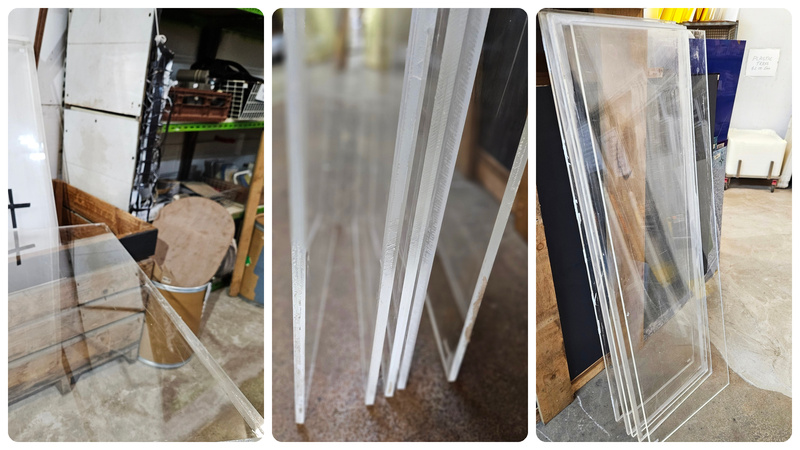
Choosing the right material for a project can make a significant difference in its appearance, durability, and overall cost. Whether you are designing a retail display, installing protective panels, creating furniture, or working on an interior design project, selecting a suitable transparent material is an important decision. One option that has become popular across residential, commercial, and industrial applications is acrylic.
Acrylic is known for its excellent transparency, lightweight construction, and versatility. However, not every acrylic sheet is suitable for every application. Factors such as thickness, dimensions, clarity, strength, and finishing requirements should be considered before making a purchase.
In this guide, we will explain how to choose the right clear acrylic sheet for your project, what specifications to compare, and which common mistakes to avoid.
What Is a Clear Acrylic Sheet?
A clear acrylic sheet is a transparent plastic panel made from acrylic, commonly known as polymethyl methacrylate (PMMA). It is often used as an alternative to glass because it offers excellent light transmission while weighing considerably less than conventional glass.
Acrylic sheets are available in different thicknesses, sizes, and grades. Depending on the product specifications, they can be cut, drilled, polished, and fabricated into various shapes.
Some common applications include retail displays, signage, protective barriers, furniture components, cabinet doors, picture frames, machine guards, and decorative installations.
If you are comparing materials for your next project, explore the different options available for a clear acrylic sheet to understand the available sizes, thicknesses, and finishes.
1. Understand the Purpose of Your Project
Before selecting an acrylic sheet, identify exactly how you plan to use it. The intended application determines the thickness, grade, and fabrication requirements.
For example, a small display stand does not require the same specifications as a large protective panel or a sheet installed in a demanding commercial environment.
Consider these common applications:
- Retail displays: Clear acrylic helps showcase products without distracting from their appearance.
- Interior design: It can be used for decorative partitions, cabinet inserts, furniture accents, and shelving components.
- Protective barriers: Acrylic panels can provide a transparent physical barrier in suitable indoor environments.
- Signage: Transparent acrylic can serve as a base for printed graphics, lettering, or illuminated signs.
- DIY projects: Smaller panels are useful for craftwork, display boxes, frames, and home improvement projects.
Write down the dimensions, expected load, installation method, and environmental conditions before contacting a supplier. This makes it easier to identify the right product rather than choosing a sheet based on appearance alone.
2. Choose the Correct Thickness
Thickness is one of the most important factors when buying acrylic. A sheet that is too thin may bend or flex excessively, while an unnecessarily thick sheet can increase material costs and weight.
The appropriate thickness depends on the panel’s size, support structure, intended use, and expected load.
Here is a general guide to common acrylic sheet thicknesses:
| Thickness | Potential applications |
| 2–3 mm | Small displays, craft projects, and lightweight decorative panels |
| 4–5 mm | Signage, small protective panels, and display components |
| 6–8 mm | More substantial panels and selected furniture applications |
| 10 mm and above | Heavier-duty panels and projects requiring greater rigidity |
These are general examples, not universal engineering recommendations. A large panel may require greater thickness or additional support, even when it carries little weight.
For shelving, machine guards, or panels exposed to impact, consult the manufacturer’s specifications or a qualified fabricator before finalizing the thickness.
3. Compare Cast and Extruded Acrylic
Acrylic sheets are commonly manufactured using two processes: cast and extruded. Understanding the difference helps you choose a suitable product for your budget and fabrication needs.
Cast acrylic
Cast acrylic is manufactured by casting liquid acrylic material into a mould. It is often preferred for applications that require detailed machining, engraving, or fabrication.
Potential advantages include:
- Good optical clarity.
- Suitability for engraving and detailed fabrication.
- Availability in a variety of thicknesses.
- Good performance in many decorative and display applications.
However, actual performance depends on the manufacturer’s specifications and the particular grade.
Extruded acrylic
Extruded acrylic is produced by pushing acrylic material through a forming process. It is often selected for applications where consistent thickness and cost efficiency are important.
Common uses include standard glazing panels, displays, and general-purpose fabrication.
Neither type is automatically the best choice for every project. Compare clarity, thickness tolerance, fabrication requirements, budget, and the supplier’s technical information before deciding.
4. Check Transparency and Optical Clarity
When appearance matters, transparency should be one of your main considerations. High-quality transparent acrylic can provide excellent light transmission and a clean appearance, making it useful for displays, partitions, and decorative installations.
However, not every transparent sheet offers identical optical performance.
Before purchasing, check whether the sheet has visible scratches, surface imperfections, haze, or unwanted color tinting. If the panel will be used in a premium retail display or a project where visual quality is important, ask for a sample.
You should also consider how the sheet will be viewed. A panel used for displaying products may require excellent clarity from multiple angles, while a concealed protective panel may have less demanding appearance requirements.
For illuminated signs or display cases, ask the supplier whether the material is suitable for the lighting and fabrication method you intend to use.
5. Select the Right Sheet Size
Choosing the correct dimensions helps reduce material waste and fabrication costs. Acrylic sheets are available in different standard sizes, although availability varies by supplier and thickness.
Measure the installation area carefully before placing an order. Remember to account for mounting brackets, edge clearances, frame dimensions, and any required cut-outs.
For projects involving multiple panels, plan the cutting layout before purchasing the material. A well-planned layout can help you use the sheet more efficiently and minimize offcuts.
If your project requires irregular shapes, rounded corners, holes, or custom dimensions, confirm whether the supplier offers cutting services.
You can compare available clear acrylic sheet sizes and specifications before deciding which option best fits your design.
6. Consider Strength, Flexibility, and Safety
Although acrylic is lightweight and can offer good impact resistance compared with ordinary glass, it is not unbreakable. It can scratch, crack, or break under certain conditions.
Consider the following questions:
- Will the panel support weight?
- Could it experience an accidental impact?
- Will it be exposed to vibration?
- Does it need to withstand outdoor weather?
- Will people regularly touch or clean the surface?
Acrylic can flex more than glass, particularly in larger or thinner panels. Proper support and suitable thickness are therefore important.
For applications involving high impact, machinery, overhead installations, or critical safety protection, do not rely on thickness alone. Verify the product’s tested performance and relevant safety requirements. Polycarbonate or another specialized material may be more suitable in some situations.
7. Check Indoor and Outdoor Suitability
Acrylic can be used in both indoor and outdoor applications, but the exact grade matters.
For indoor projects, appearance, scratch resistance, ease of cleaning, and compatibility with surrounding materials may be the main considerations.
For outdoor installations, ask whether the sheet is UV-resistant and suitable for the expected weather conditions. Prolonged exposure to sunlight, temperature changes, and environmental contaminants can affect some materials over time.
Also consider thermal expansion. Acrylic expands and contracts as temperatures change, so installation methods should allow for appropriate movement rather than clamping the sheet too tightly.
If the sheet will be installed outdoors for an extended period, request the manufacturer’s guidance on weather resistance and maintenance.
8. Compare Price and Overall Value
Price is important, but the cheapest option may not provide the best value over the life of your project.
The final cost depends on several factors, including thickness, dimensions, manufacturing method, grade, surface quality, cutting requirements, and quantity purchased.
When requesting a quotation, provide the supplier with accurate measurements and explain how the material will be used. Ask whether the quoted price includes cutting, drilling, protective packaging, and delivery.
A slightly more expensive sheet may be worthwhile if it offers the required clarity, dimensional accuracy, or outdoor suitability. On the other hand, a basic grade may be perfectly adequate for a simple indoor display.
For a fair comparison, obtain quotations for products with matching specifications instead of comparing prices alone.
9. Understand Maintenance and Cleaning Requirements
Proper maintenance helps keep acrylic looking clear and attractive. Although it is relatively easy to clean, its surface can scratch if handled incorrectly.
Follow these simple care tips:
- Use a soft, clean microfiber cloth.
- Wash with mild soap and water.
- Avoid abrasive pads, scouring powders, and rough cloth.
- Use only cleaning products confirmed as compatible with acrylic.
- Avoid solvents or harsh chemicals unless the manufacturer specifically approves them.
- Follow the manufacturer’s instructions when removing protective film.
For retail displays and decorative panels, regular gentle cleaning can help maintain a professional appearance. If the surface is likely to experience frequent contact, consider whether a suitable hard-coated acrylic product would be beneficial.
10. Ask the Supplier the Right Questions
Before placing your order, confirm the technical details and services offered by the supplier.
Ask about the material grade, actual thickness, sheet dimensions, manufacturing method, available finishes, and cutting tolerances. If the project requires outdoor use, verify its weather and UV suitability.
You should also confirm stock availability, minimum order quantities, delivery arrangements, and whether the sheet comes with a protective film.
For custom fabrication, share a drawing or cutting plan whenever possible. This reduces misunderstandings and helps the supplier provide a more accurate quotation.
If you need a clear acrylic sheet for a specific application, comparing technical specifications from multiple suppliers can help you make a more informed decision.
Common Mistakes to Avoid When Buying Acrylic Sheets
Even a good-quality material may not perform as expected if it is selected incorrectly. Avoid these common mistakes:
Choosing thickness based only on price: A cheaper, thinner sheet may flex excessively or fail to meet your project’s requirements.
Ignoring the installation method: The way a panel is supported affects its stability and performance.
Assuming all acrylic sheets are identical: Different grades and manufacturing methods can influence their suitability for particular applications.
Overlooking outdoor exposure: Confirm UV and weather resistance when the material will be exposed to the elements.
Forgetting fabrication costs: Cutting, drilling, polishing, and delivery can affect the final project budget.
Using unsuitable cleaning products: Harsh chemicals and abrasive materials can damage the surface.
Taking time to check these details before ordering can reduce waste, avoid installation problems, and help your finished project look better.
Conclusion
Choosing the right acrylic material involves more than selecting a transparent panel. You need to consider the intended application, thickness, dimensions, optical clarity, manufacturing method, environmental exposure, and total cost.
Start by defining your project’s requirements, then compare products with matching specifications. For simple displays and decorative applications, appearance and ease of fabrication may be the main priorities. For larger panels, outdoor installations, or safety-related uses, structural support and verified technical performance become especially important.
A carefully selected acrylic sheet can provide an attractive, lightweight, and versatile solution for a wide range of residential, commercial, and industrial projects. By asking the right questions and checking specifications before buying, you can choose a material that suits both your design and your practical requirements.
Frequently Asked Questions
1. What is a clear acrylic sheet used for?
It is commonly used for retail displays, signage, protective panels, furniture components, decorative partitions, picture frames, and DIY projects.
2. Is acrylic better than glass?
It depends on the application. Acrylic is lighter and can offer better impact resistance than ordinary glass, but it scratches more easily. Glass may be preferable where scratch resistance, heat performance, or particular optical properties are priorities.
3. Which thickness of acrylic sheet should I choose?
The correct thickness depends on panel dimensions, support, expected load, and application. Small decorative projects may use thinner sheets, while larger or load-bearing panels may require thicker material or additional support.
4. Can clear acrylic sheets be used outdoors?
Yes, certain grades are suitable for outdoor use. Check the manufacturer’s UV-resistance and weather-suitability specifications before installation.
5. How do I keep acrylic sheets clear?
Clean them with mild soap, water, and a soft microfiber cloth. Avoid abrasive cleaners and chemicals that are not approved for acrylic.
6. How can I reduce acrylic sheet wastage?
Measure carefully, plan the cutting layout in advance, and ask your supplier whether custom cutting is available. This can help reduce offcuts and unnecessary costs.