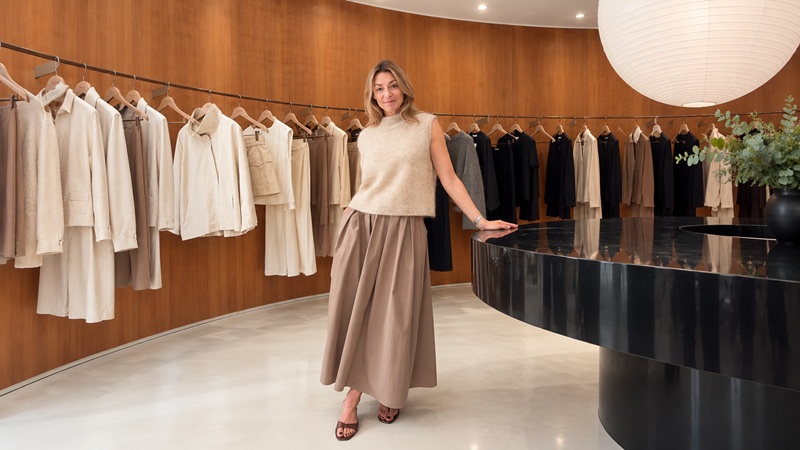
A conscious wardrobe is a collection of well-made clothes that you wear often and keep for years. In India this usually means picking natural fabrics like organic cotton, linen and Tencel checking for certifications like GOTS and OEKO-TEX and looking at how much a piece costs each time you wear it instead of just the price on the tag.
Key takeaways
Buying fewer better pieces is usually cheaper in the run because the cost per wear goes down the more you wear a garment.
For hot and humid Indian summers, breathable fabrics like organic cotton and linen work better than polyester.
GOTS checks how a fibre is grown and processed. OEKO-TEX checks the fabric for harmful substances. They are checks.
A capsule of 8 to 10 basics covers most work, college and weekend needs.
What is a wardrobe?
A conscious wardrobe is a collection of clothes chosen with care: pieces, better quality and fabrics and production methods you can actually check. It is not about owning less for the sake of it or about never buying anything new. It is about making each purchase one you will wear often.
The idea is also called “buy better” or slow fashion. It is based on three habits: buy only what fits your real routine choose fabrics that suit your climate and look for proof of how a garment was made.
Why does “buy better” work?
It works because the true cost of clothing is spread out every time you wear it. A cheaper top that loses shape after a few washes can cost more per wear than an one that lasts for years. The table below shows an example, in rupees.
|
Example piece |
Price |
Times worn |
Cost per wear |
|
Fast-fashion tee (blended fabric) |
₹499 |
10 |
≈ ₹50 |
|
Mid-range cotton tee |
₹799 |
25 |
≈ ₹32 |
|
Certified organic cotton tee |
₹1,499 |
60 |
≈ ₹25 |
Illustrative example. Actual prices and wear counts vary, but the pattern holds: more wears means lower cost per wear.
Fabrics that work best for Indian weather
For most of India, fabrics that breathe and manage sweat work best. Organic cotton, linen and Tencel are the most reliable choices for hot and humid months, while polyester tends to trap heat and moisture against the skin.
|
Fabric |
In hot, humid weather |
Durability |
Care |
Best for |
|
Organic cotton |
Breathable and absorbent |
Good with gentle washing |
Easy; machine wash cold |
Tees, shirts, kurtas, daily basics |
|
Linen |
Very breathable; dries fast |
High; softens with age |
Wrinkles easily; gentle wash |
Shirts, trousers, summer layers |
|
Tencel (lyocell) |
Smooth and moisture-wicking |
Good |
Gentle cycle; avoid high heat |
Dresses, drapey tops, nightwear |
|
Bamboo viscose |
Soft; medium to high breathability |
Moderate; weaker when wet |
Gentle wash; air dry |
Loungewear, innerwear |
|
Polyester |
Low; traps heat and sweat |
High |
Easy |
Activewear, rainwear |
What do GOTS and OEKO-TEX actually certify?
GOTS (Global Organic Textile Standard) certifies the organic status of fibres and sets environmental and social criteria for processing. OEKO-TEX Standard 100 tests finished textiles for harmful substances. A brand can hold one, both or neither, and each label tells you something different.
|
Label |
What it checks |
What it does not tell you |
|
GOTS |
Organic fibre content (at least 95% for an “organic” label, at least 70% for “made with organic”), plus environmental and social criteria in processing |
How long a garment will last or how much the brand produces |
|
OEKO-TEX Standard 100 |
Whether the finished fabric contains harmful substances above set limits |
Whether the fibre is organic or how it was farmed |
|
“Eco-friendly” or “green” (no certificate) |
Nothing. It is a marketing term, not a standard |
Anything verifiable |
Certification matters when you compare brands. Take One Less for example. They make basics from adult organic cotton. Their products carry both GOTS and OEKO-TEX certification. That means shoppers get two checkable signals. No vague claims, about being sustainable. Just proof.
So how do you spot greenwashing?
Greenwashing happens when a brand appears eco-friendly than it really is. The best way to avoid it is to look for facts. Check for named certifications. Look for percentages that tell you exactly what’s in the product. Always see if sourcing details are clear. If a brand can’t back up its words with proof it’s likely talking
|
Red flag |
Why it matters |
What to look for instead |
|
Words like “eco” or “conscious” with no details |
No standard sits behind them |
A named certification and certificate number |
|
“Made with recycled material” and no figure |
It could be a tiny share of the fabric |
The exact percentage of recycled content |
|
One “green” line inside a huge fast-fashion range |
The small line can hide the larger volume |
Overall production practices and range size |
|
No information about factories or sourcing |
Claims cannot be checked |
Clear supply chain or sourcing disclosure |
What should a capsule wardrobe include?
Many stylists suggest a capsule of roughly 25 to 40 pieces across the year, but you can start much smaller. A core of 8 to 10 versatile basics covers most work, college and weekend needs, and every item below can be mixed with the others.
|
Piece |
Suggested fabric |
Why it earns its place |
|
Off-white or white shirt |
Organic cotton or linen |
Works for office, college and travel |
|
Plain tees (2 to 3) |
Organic cotton |
The base layer under almost everything |
|
Straight or wide-leg trousers |
Cotton or linen blend |
Comfortable across most of the year |
|
Relaxed kurta or co-ord set |
Organic cotton |
Moves easily between everyday and festive |
|
Midi or A-line dress |
Tencel or cotton |
A complete outfit in one piece for hot days |
|
Lightweight overshirt |
Cotton or linen |
For air-conditioned offices and monsoon evenings |
|
Hoodie or sweatshirt |
Organic cotton |
Layering for North Indian winters |
|
Well-fitted jeans |
Cotton denim |
Daily-wear staple that lasts for years |
How do you make clothes last longer?
Care decides how long a good garment lasts. These simple steps make a visible difference:
- Wash in cold or lukewarm water and turn clothes inside out to protect colour and fabric.
- Use a mild detergent and avoid fabric softeners on natural fibres.
- Air-dry in shade where possible, since strong direct sun fades colour and weakens fibres over time.
- Wash less often. Airing a piece out between wears is enough for many items.
- Fix small issues early, such as loose buttons or small tears, before they become bigger repairs.
Frequently asked questions
What is a conscious wardrobe?
A conscious wardrobe is a collection of well-made clothes. These clothes are chosen based on your routine the climate you live in and your personal values. They are worn for years not a few weeks.
Is cotton good for hot Indian weather?
Yes. Organic cotton is breathable. Absorbs sweat well. This makes it comfortable to wear every day in humid weather. Linen is a more airy option during the peak summer months.
What is the difference between GOTS and OEKO-TEX?
GOTS certifies that the fibres are organic. It also checks the social standards during processing. OEKO-TEX Standard 100 tests the fabric for harmful substances. One looks at how the material’s made. The other checks what remains in it.
Is clothing always expensive?
The upfront cost is often higher.. The cost per wear is usually lower because the clothes last longer. Starting by replacing worn-out basics keeps the spending manageable.
How clothes do I need in a capsule wardrobe?
There is no number. A starter capsule of 8 to 10 pieces works for many people. Fuller capsules often range from 25 to 40 pieces across all seasons.
How do I know if a brand is greenwashing?
Look for named certifications, percentages and exact sourcing details. Be cautious of words like “eco” or “green” that come without proof.
Conclusion
Building a wardrobe is a gradual process. It is not a big overhaul. Start with the pieces you wear most. Choose fabrics that suit weather. Check the certifications behind a label. Let cost per wear guide your purchase. Over time a smaller wardrobe of clothes tends to feel simpler, lighter and more, like you.